Don’t leave your Self Assessment tax return to Burns Night: how to beat the January rush
By Paislei Godley, Director
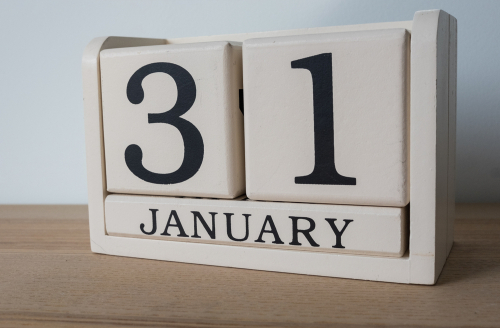
The 31 January Self Assessment deadline is fast approaching, arriving just six days after Burns Night celebrations on 25 January.
It is not uncommon, however, to defer a tax return to ‘after Christmas’ and allow it to creep into the new year.
At the time many people devise their annual goals for self improvement, a frenzied search for P60 slips may feel like you are stumbling out of the gate.
With Burns Night serving as the last seasonal landmark before the deadline arrives, treat it as your Self Assessment tax return cut off rather than the time to start.
Why is leaving a Self Assessment tax return to the last minute a poor idea?
Giving yourself a time buffer before the deadline provides some protection if something were to go wrong.
For example, a document missing in December is an inconvenience.
However, issues arising in the final few weeks of January lead to unnecessary pressure and risks you missing the deadline.
If you need a statement from a bank, a pension provider or previous employer, it can take days or weeks to receive documentation, with the Christmas backlog adding to delays.
HMRC’s helplines and online services also experience a January rush, meaning the queues to access support will only grow as the deadline approaches.
Nonetheless, once you have submitted your return, you can put the focus on the year ahead and eliminate the lingering background stress.
In addition, filing early gives you ample time to understand your tax liability and organise your finances accordingly.
What happens if you miss the deadline?
Penalties can mount if your Self Assessment tax return is submitted after the deadline, even if you have no tax liability or you have already paid the tax owed.
HMRC issues penalties in the following ways:
- Automatic £100 late filing penalty
- Daily penalties of up to £10 a day after three months, capping out at £900
- Additional penalties after six and 12 months
- Interest and late payment penalties if tax is not paid on time
It is important to remember that filing a return and paying tax are separate, so you can submit on time but still be penalised for paying late.
Overall, the strict penalty regime demonstrates there is little benefit to putting off your Self Assessment tax return.
How can you beat the January rush?
- Collect paperwork now: Whether that means P60s, P45s, dividend vouchers, rental income and expenses or records of self employed income
- Test your login details: Check to see if you are able to access your Government Gateway, resetting details where needed
- Calculate the tax owed: Establish the tax liability to help you plan around the payment, while considering the first payment on account
- Speak to an accountant: Let an accountant submit the Self Assessment tax return on your behalf by sending the paperwork early
If you can’t pay in full by the deadline, HMRC may offer a Time to Pay arrangement to let you spread the tax bill over monthly instalments.
January should be spent riding the post-Christmas high and bringing in the new year with renditions of Auld Lang Syne, not scrambling to submit a Self Assessment tax return.
Have you submitted your Self Assessment tax return yet? Speak to our accountants for help beating the January rush.