Yes, you should file your Self Assessment tax return now
By Paislei Godley, Director
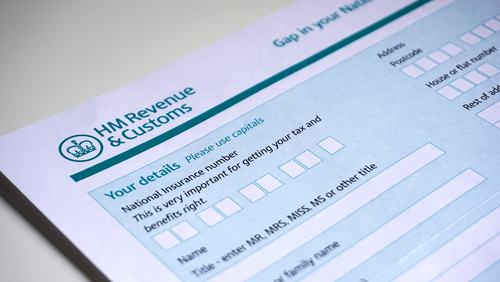
Recently, many of the 12 million people who submit Self Assessment tax returns were sent a message from HMRC alerting them to the need to file the next one.
We know that these messages are often ignored and the filing is forgotten about until the 31 January deadline gets too close to ignore.
This year, things can be different, so it is worth understanding how sorting out your Self Assessment tax return now can save you stress later.
Why should I file my Self Assessment tax return now?
Self Assessment tax returns can be filed at any point from 6 April and any time before 31 January.
This colossal window of opportunity is a blessing and a curse, with too many taxpayers putting it off until the last minute.
Rather than having to join the 475,722 people trying to make a filing on 31 January, you can take care of it now and know that it is one less thing to keep track of in the year ahead.
Even if you do not yet have all of the information needed to file your Self Assessment return in full, you can start the process and finish it once you have everything you need.
The stress of trying to meet a tight deadline leaves people exposed to making mistakes, whereas those who file early benefit from being able to step away and seek professional advice or support from HMRC should they need it.
If mistakes are made, the correction window remains the same regardless of when you file your Self Assessment tax return, in that you have 12 months from the submission deadline to make all corrections.
Does filing my Self Assessment tax return now mean I have to pay it straight away?
The deadline for paying your tax bill will always be the same, regardless of when you file your Self Assessment tax return.
For the 2025/2026 tax year, the deadline for filing and paying your Self Assessment tax return is 31 January 2027.
Filing early does not bring any obligation to pay it early and you can still pay the full bill on the day of the deadline if that is your preference.
A better solution is to take control of your payments by spreading the cost throughout the year in the same way that tax bills are handled under PAYE.
In other words, if your tax bill is £1000, you can file your tax return in April 2026, start paying straight away and find yourself only parting with £100 a month.
This will generally be more manageable than paying £1000 in January when many bank accounts are already feeling the strain from the festive season.
Without the need to rush to meet a deadline, you will also be able to explore the available reliefs to determine if any apply to you, which could see your tax bill reduced further.
Additionally, if your circumstances change and you do start getting paid and taxed through PAYE, you can opt for your Self Assessment tax bill to be managed this way as well.
While you will still need to complete the Self Assessment tax return yourself, any tax bill below £3000 can be taken on through your PAYE and will generally be paid throughout the next tax year.
Our team are here to help you understand your tax obligations so that you do not feel held back by them.
We dream of a time when the 31 January deadline passes by unnoticed, as all of the Self Assessment tax returns have been filed and paid long before then.
While we might not be able to make that happen for everyone, we can help you to get better control over your finances.